
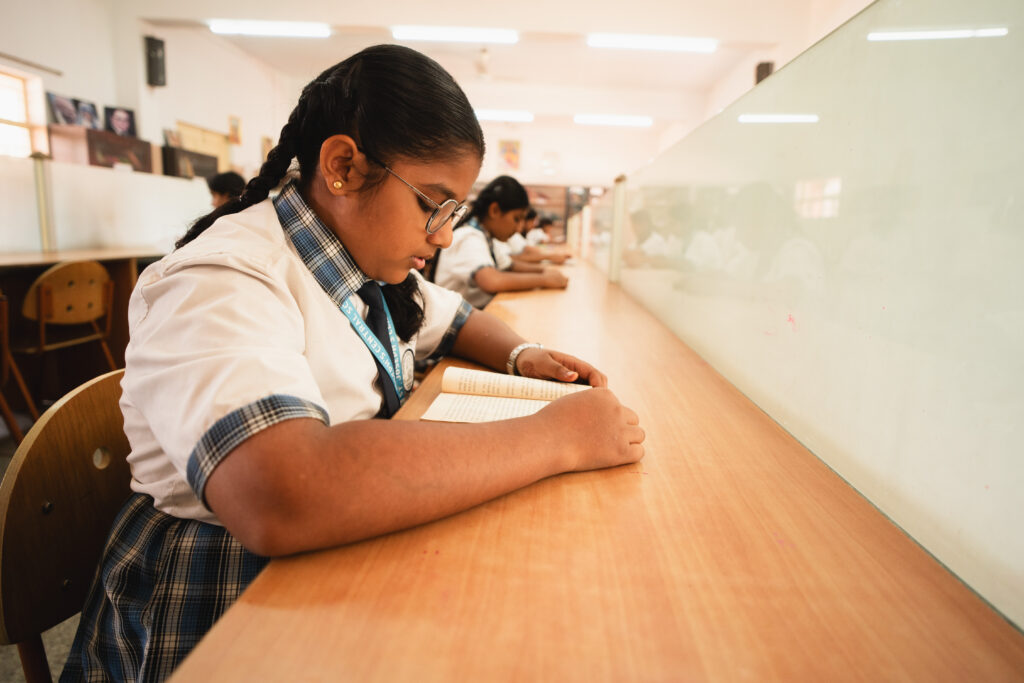
Every year, as examinations approach, many homes start to feel the pressure. Children worry about forgetting what they have learned, parents worry about results, and the whole family can slip into late nights and anxious conversations. Yet the students who do best are rarely the ones who panic and cram. They are the ones who prepare steadily, look after their health and walk into the examination hall with a calm, clear mind.
Start with a realistic plan
A good revision plan begins with an honest look at the syllabus. List every chapter in each subject and mark it green (confident), amber (needs practice) or red (difficult). Then spread the chapters across the weeks that remain, giving more time to amber and red topics and leaving the last week for full revision and practice papers. Short, focused sessions of 40 to 50 minutes with brief breaks work far better than marathon study sessions.
Learn actively, not passively
Reading a chapter again and again feels productive, but it is one of the least effective ways to learn. Instead, try to recall information without looking: close the book and write down everything you remember, then check what you missed. Make mind maps, explain a concept aloud to a family member, solve previous years’ questions and practise competency-based questions that ask you to apply knowledge to new situations. Mistakes made in practice are valuable – they show exactly what to revise.
Protect sleep, food and movement
The brain consolidates memory during sleep, so staying up all night is counter-productive. Teenagers need eight to nine hours of sleep, and younger children even more. Regular meals with fruits, vegetables, whole grains and enough water keep energy steady, while a short walk, stretching or a game outdoors refreshes the mind. Keep phones out of the study space and out of the bedroom at night.
Manage worry with simple tools
A little nervousness can sharpen focus, but too much blocks thinking. Slow breathing – in for four counts, hold for four, out for six – calms the body within minutes. Writing worries down before studying helps clear the mind. Students should remember that one examination does not define their worth, and that asking a teacher for help is a sign of strength.
How parents can help
Children notice our tone more than our words. Create a calm study corner, keep family routines predictable and avoid comparing your child with siblings, cousins or classmates. Ask about effort and strategy rather than only about marks: “Which topic did you master today?” goes much further than “How much did you score?” Watch for signs of excessive stress – loss of appetite, poor sleep, irritability or withdrawal – and talk to the class teacher or school counsellor early.
On the day of the exam
Pack the admit card, stationery and water the night before. Eat a light breakfast, arrive early and avoid last-minute discussions that create panic. In the hall, read the whole paper first, plan your time, attempt the questions you know best and leave a few minutes to check your answers. Then let it go and prepare for the next paper.
At St. Joseph’s, our teachers support students with revision plans, practice papers and mentoring throughout the year. With steady effort and a healthy routine, examinations become an opportunity to show what you have learned – not something to fear.