
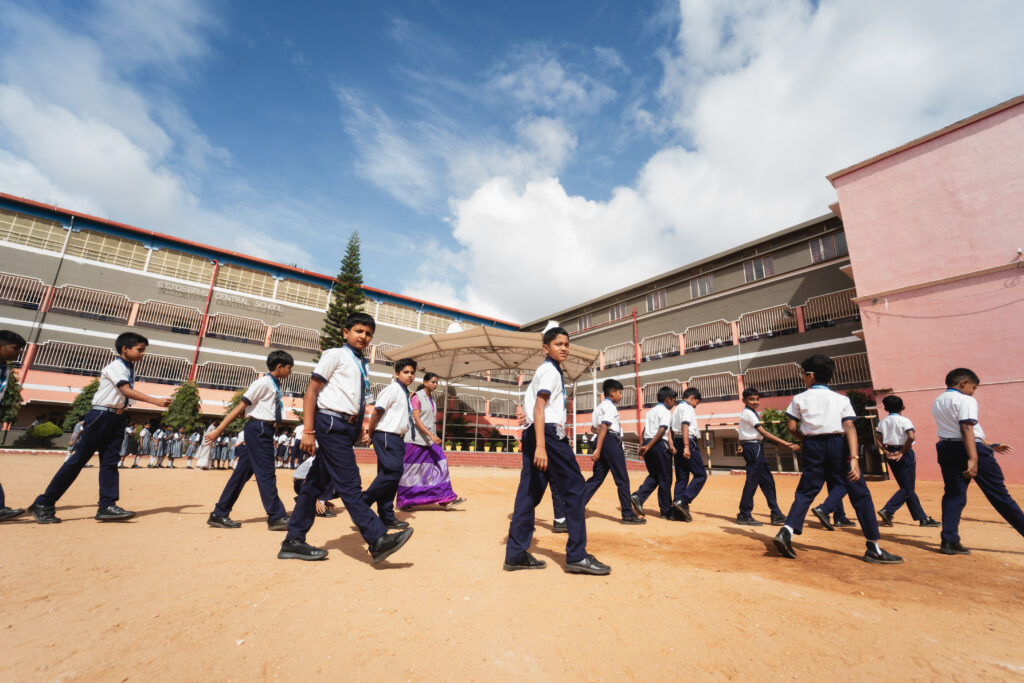
Every child has the right to grow up safe from harm, and protecting that right is the responsibility of every adult around them – parents, teachers, school staff and the wider community. Child protection is not about making children fearful. It is about giving them knowledge, confidence and trusted adults, so that they know what is safe, what is not and what to do if something feels wrong.
Talk early, talk often
Use simple, age-appropriate language to teach children the correct names for body parts and the idea that their body belongs to them. Teach the difference between safe and unsafe touch, and between good secrets (like a surprise birthday gift) and unsafe secrets that someone asks them to keep from parents. Make these conversations natural and ongoing rather than a single serious talk.
Identify trusted adults
Help your child name at least three adults they can go to if they feel unsafe, confused or upset – for example a parent, a grandparent and a class teacher. Reassure them that they will never be in trouble for telling, even if they were asked to keep a secret or think they did something wrong. Listen calmly, believe them and act.
What schools do
Responsible schools put clear safeguards in place: a child protection policy and code of conduct for all staff, background verification of employees, supervision during school hours and on transport, controlled entry and visitor management, CCTV surveillance in common areas and a clear procedure for reporting concerns. At St. Joseph’s, these measures sit alongside age-appropriate personal safety education and counselling support.
Staying safe online
Children today also need protection in digital spaces. Keep devices in shared family areas, use parental controls and age-appropriate apps, and teach children never to share personal information, photographs or passwords with strangers. Explain that people online may not be who they say they are, and that they should tell a parent immediately if anyone asks to meet them, sends inappropriate content or makes them uncomfortable.
Signs that something may be wrong
Changes in behaviour can be a signal: sudden fear of a particular person or place, withdrawal, nightmares, unexplained injuries, a drop in school performance or knowledge that seems beyond their age. If you have concerns, speak to the school leadership or counsellor. In India, the CHILDLINE number 1098 provides round-the-clock support, and the Protection of Children from Sexual Offences (POCSO) Act provides strong legal safeguards.
Working together
When parents and schools communicate openly, children are safer. Attend school awareness sessions, read the school’s safety policies and share any concern, however small. Together we can create an environment in which every child feels protected, respected and free to grow.